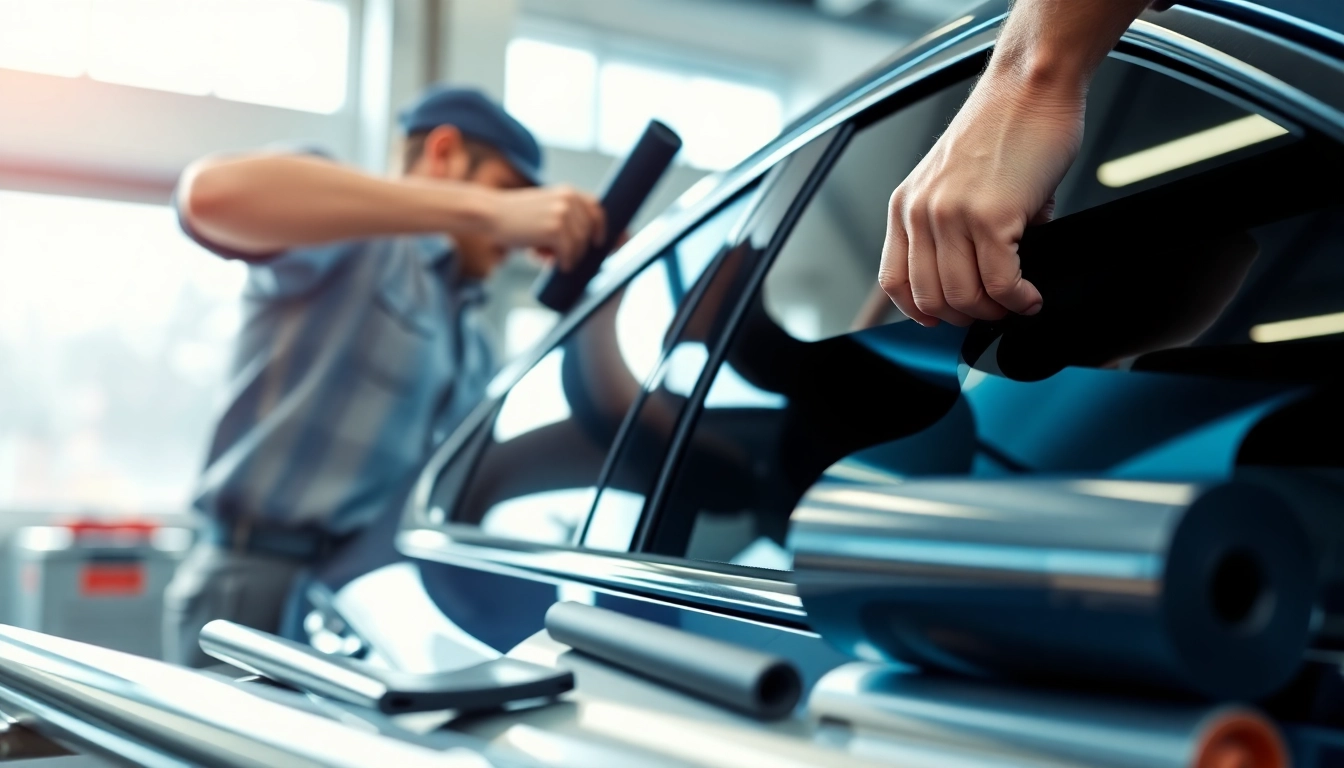
Window tinting is more than just a fashionable addition to your vehicle; it provides a multitude of practical benefits and enhances your driving experience. Whether you're looking to improve privacy, protect your car's interior, or simply enhance its aesthetics, finding quality window tint near me can make all the difference. This comprehensive guide will delve into the various advantages of window tinting, how to choose the right type, and what to consider during installation, as well as essential maintenance tips to keep your tint looking great for years to come.
Understanding the Benefits of Window Tint Near Me
Improved Privacy and Security
One of the most compelling reasons for considering window tinting is to enhance privacy and security within your vehicle. Tinted windows can obscure the view of your vehicle's interior, effectively keeping your belongings hidden from prying eyes. This additional layer of privacy can deter potential theft, providing peace of mind when your car is parked.
In addition to personal security, window tinting can enhance your personal comfort. It allows you to enjoy a more secluded and peaceful space while driving or parked. Living in areas with high pedestrian traffic or frequent stops can be uncomfortable when you feel exposed, and window tinting alleviates this concern.
UV Protection and Energy Efficiency
Window films are specifically designed to block harmful ultraviolet (UV) rays, which can induce skin cancer and other skin-related issues. By adding a quality tint, you can filter up to 99% of UV radiation, safeguarding not just the occupants but also the vehicle's interior from fading and damage. Over time, exposure to sunlight can degrade the upholstery and dashboard, leading to expensive repairs.
Furthermore, tinted windows contribute to energy efficiency. They help regulate the temperature inside the car by keeping it cooler during the hot months, reducing the reliance on air conditioning systems. This not only leads to a better driving experience but also enhances fuel efficiency as your car consumes less energy.
Enhanced Aesthetic Appeal
Window tinting offers a sleek and sophisticated look to your vehicle. It can dramatically change the appearance of your car, making it stand out aesthetically. Tints come in various shades and colors, allowing you to personalize your vehicle's look according to your preference. A well-executed tint job can elevate your car's overall design, making it look modern and stylish. Many people view tinted windows as a symbol of luxury, providing a level of elegance that can enhance the vehicle's resale value.
Choosing the Right Window Tint
Types of Window Tint Available
Before deciding on window tinting, it's essential to understand the various types available. The key materials used in window films include:
- Dyed Window Film: This basic form of tint features a layer of dye that absorbs heat but doesn’t provide as much UV protection. It's affordable and ideal for those on a budget.
- Metalized Window Film: This type contains tiny metallic particles that reflect heat and UV rays while enhancing privacy. It's more durable compared to dyed film but can interfere with electronic signals.
- Ceramic Window Film: A premium option, ceramic films provide excellent UV protection and heat resistance without compromising visibility. They are the most expensive but offer superior performance.
- Hybrid Window Film: This combines the benefits of dyed and metalized films, providing a balance of heat reduction and aesthetic appeal.
Factors to Consider Before Installation
Choosing a window tint isn’t just about aesthetics; several factors need consideration:
- Legal Requirements: Ensure that your chosen tint complies with local laws regarding visible light transmission (VLT). Different regions have specific legal limits on how dark a tint can be.
- Climate Considerations: In hotter states, a more reflective tint can help keep temperatures down, whereas, in cooler climates, a lighter film might suffice.
- Usage of the Vehicle: If you frequently park in direct sunlight or have children in the car, UV protection should be a priority.
- Installation Quality: Opt for trained professionals to ensure that the film is applied correctly without bubbles or imperfections.
Cost and Value Analysis
The cost of window tinting can vary widely depending on the quality of the material, size of the vehicle, and complexity of the installation. On average, prices can range from $200 to $600. While it may seem like a significant investment upfront, the long-term savings in terms of fuel efficiency, improved comfort, and preserved vehicle interior can justify the expense. Furthermore, the enhanced resale value garnered through quality tint can offset costs significantly.
Finding Quality Installation Services for Window Tint Near Me
Researching Local Providers
Finding the right installation service is crucial to ensuring you receive quality workmanship. Start by researching local providers through online searches or community recommendations. Look for companies that specialize in window tinting and have a solid reputation for quality. It’s beneficial to inquire about their experience, types of materials used, and installations performed.
Reading Customer Reviews and Testimonials
Once you have a list of potential providers, read through customer reviews and testimonials. Online platforms like Google Reviews or Yelp can offer insights into customer experiences. Pay particular attention to feedback regarding installation quality, customer service, pricing, and follow-up support. A company with a high volume of positive reviews usually indicates reliability and professional standards.
Requesting Quotes and Comparing Offers
After narrowing down your options, request quotes from multiple providers to compare prices and available services. Be cautious of unusually low quotes; they might indicate inferior quality of materials or workmanship. Ensure you understand what’s included in each quote, such as warranties, type of tint, and installation methods. A provider that offers a detailed and transparent estimate will likely uphold higher professional standards.
Window Tinting Laws and Regulations
Understanding State-Specific Tinting Laws
Window tinting laws vary from state to state, which can complicate the decision regarding how dark or reflective your tint can be. Most states have specific regulations concerning the front, side, and rear windows. It’s essential to familiarize yourself with the laws applicable in your area to avoid fines or the hassle of removal.
For instance, some states might allow a certain percentage of VLT for the rear windows, while being stricter about the front side windows. Researching local regulations can save you from future trouble.
Common Misconceptions About Tinting Regulations
Many myths surround window tinting regulations. One common misconception is that all tinted windows are illegal. In reality, many states permit specific VLT percentages, allowing individuals to customize their vehicles while satisfying legal standards. Understanding these distinctions can help you make informed decisions.
How to Ensure Compliance After Installation
To ensure compliance with local tinting laws post-installation, it's advisable to keep proper documentation. Obtain any certifications from the installer regarding the tint's specifications, which can prove helpful if law enforcement raises concerns. Additionally, regular checks can highlight any fading or damage that may cause your tint to no longer meet legal requirements.
Maintaining Your Window Tint
Care Tips for Long-Lasting Tint
Proper maintenance is key to ensuring your window tint remains effective and aesthetically pleasing over time. Here are some essential tips:
- Wait for the Cure: After installation, allow the tint to cure for several days to ensure optimal adhesion.
- Gentle Cleaning: Use a soft microfiber cloth and mild soap solution to clean tinted windows. Avoid ammonia-based cleaners, which can damage the film.
- Limit Exposure: Whenever possible, park in shaded areas to reduce sun exposure, which can cause the tint to fade.
Common Issues and How to Address Them
Over time, several issues may arise with your window tint, such as bubbling, peeling, or discoloration. Bubbles can often be remedied by gently smoothing them out or, in more severe cases, requiring professional removal and reinstallation. If discoloration occurs, it could indicate a poor-quality tint that needs replacing. Regular inspections of your tint can help catch these problems early.
When to Seek Professional Help
While maintenance can often be a DIY project, there are instances where seeking professional help is necessary. If you notice significant bubbling, peeling, or if the tint obstructs visibility, contact a professional to assess the situation and provide recommendations. Skilled technicians can fix or replace the tint properly without risking further damage.
FAQs
What are the benefits of window tinting?
Window tinting offers enhanced privacy, UV protection, energy efficiency, and improved aesthetics. It safeguards your vehicle's interior and maintains comfort in various weather conditions.
How do I select the right window tint?
Consider factors like legal requirements, climate, vehicle usage, and types of tint available. Conduct research to find a reputable installer with quality materials.
Are there laws governing window tinting?
Yes, laws differ by state regarding the allowable tint percentage for windows. It's crucial to be informed of your local regulations to avoid legal issues.
How long does window tint last?
With proper maintenance, quality window tint can last anywhere from 5 to 15 years. Factors like sunlight exposure and care can significantly affect its longevity.
What maintenance is required for window tint?
Maintenance involves gentle cleaning with non-ammonia solutions, protecting against harsh sunlight, and regular inspections for any bubbling or peeling.